What you pay for a home inspection in Alberta depends mainly on the size, age, and type of the home and on which add-on scopes you include — there is no single fixed price that fits every property. A small condo, a large older detached house, and a home that also needs a sewer scope or a WETT inspection for a wood-burning appliance will each be quoted differently.
Why does the size of the home affect the price?
Size is the most straightforward driver. A larger home has more rooms, more systems, more outlets, fixtures, windows, and roof and attic area to inspect, and it simply takes the inspector longer to work through methodically and to document.
Total finished area matters, including a finished basement. When you ask for a quote, give the inspector the accurate size, property type, and approximate age up front, so the quote you compare is based on the same home as every other quote.
How does the age and type of property change the quote?
Older homes usually take longer to inspect. They are more likely to have layered renovations, older wiring and plumbing, previous additions, and systems at different ages — all of which need closer attention and more notes in the report.
Property type matters too. A condo inspection focuses on the interior systems and finishes within the unit, while a detached house also includes the roof, exterior, grading, garage, and foundation. Townhouses and semi-detached homes sit in between, and acreages or homes with additional buildings or suites add further scope.
What add-on inspections can add to the cost?
Add-ons are the other major driver, and they are often money well spent when the property calls for them. Common examples include a sewer scope, which sends a camera through the sewer line to look for damage or blockages, and a WETT inspection, which assesses a wood-burning fireplace, stove, and chimney.
Other add-ons can include mould or asbestos sampling in older homes, radon testing, well and septic inspections outside city services, and thermal imaging. Each adds equipment, time, and reporting, so each adds to the quote. Ask what the inspector recommends for that specific home, and why, rather than buying every option by default.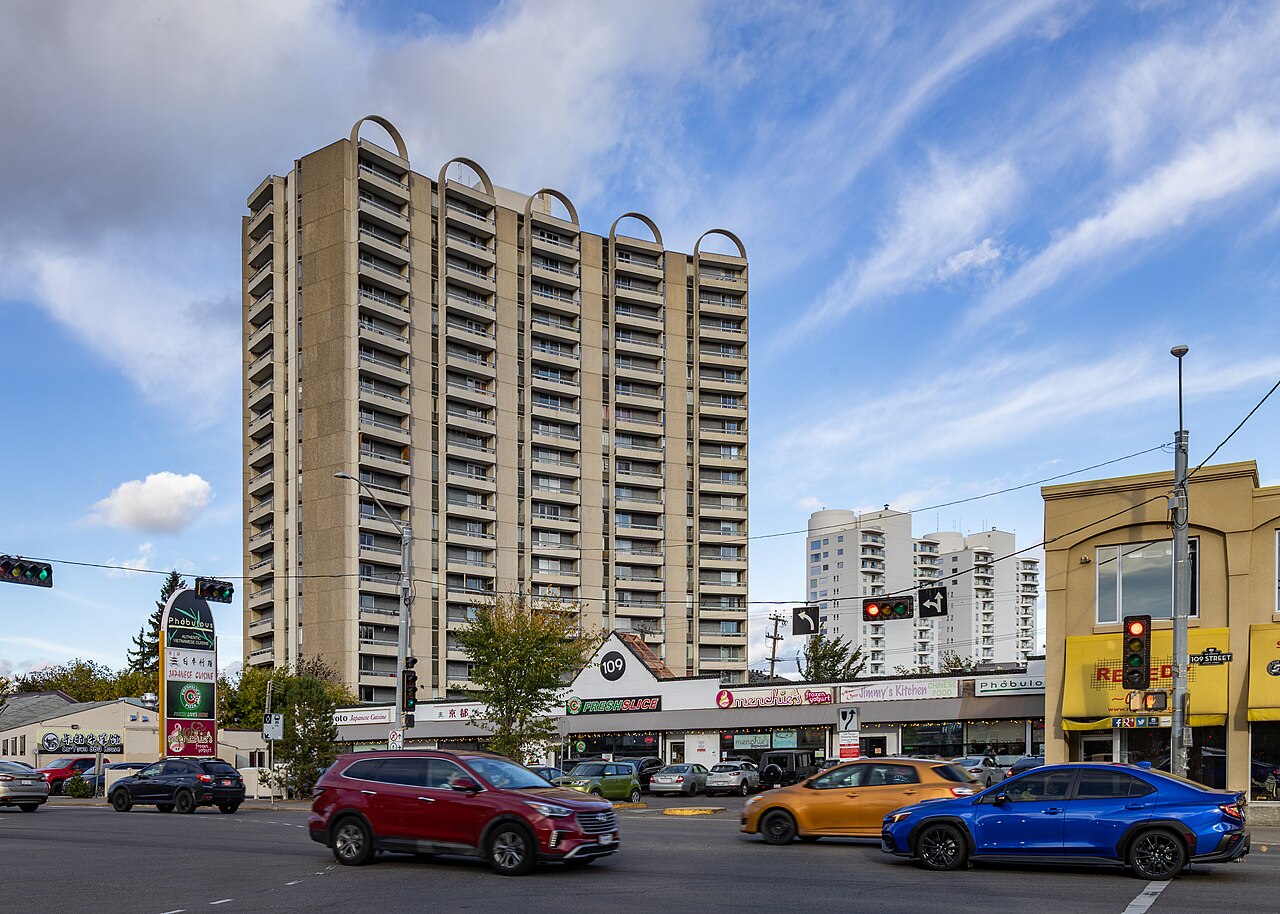
"This has been the best customer service experience I've had in Canada over the past five years." — Minsang Lee, Google review
Should you choose the cheapest inspection quote?
Compare what is included, not just the total. Ask about the inspector's licensing, experience with that property type, what the report includes, how quickly you will receive it, and whether the inspector will walk through the major findings with you afterwards.
During a purchase, the inspection is how you protect yourself within your condition period. Saving a small amount on a rushed or thin inspection can cost far more if a major system issue is missed. For context on the market you are buying in, see my breakdown of Edmonton's September 2026 market.
How should buyers and sellers budget for inspections?
Buyers should budget for the base inspection plus any add-on the property genuinely calls for, and book early enough in the condition period to act on the findings. Sellers who order a pre-listing inspection should budget on the same drivers — size, age, type, and scope.
If you are preparing to sell, pairing that planning with a free home evaluation helps you decide which findings to fix, which to disclose, and how to price honestly for the home's real condition.
Buying or selling in Edmonton and want help planning your inspection? Call me at 780-720-8240 and we will match the inspection scope to the home — no unnecessary add-ons, and nothing important skipped.
By Travis Bannert, Realtor and Mortgage Broker
Travis Bannert, Realtor® | Bridge Realty Group, Maxwell Progressive Realty | 780-720-8240 | bridgerealtygroup.ca
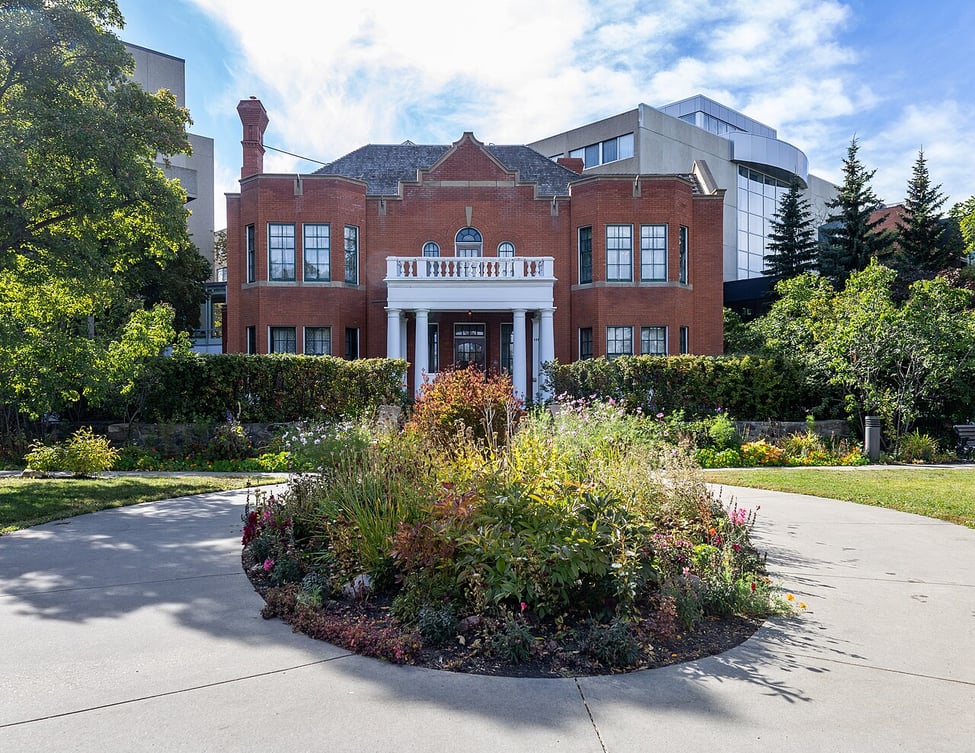
Photo via Wikimedia Commons — Rutherford House, Edmonton.
Photo via Wikimedia Commons — Edmonton character home in Strathcona.

