
A Real Property Report, or RPR, is a legal survey document prepared by an Alberta land surveyor that shows where the buildings and structures on a property sit in relation to its boundaries, and in most Alberta sales the seller provides a current RPR with municipal compliance to the buyer. Problems arise when an old RPR no longer matches the property — a new deck, garage, fence, or addition that was never surveyed — because that gap can delay closing.
What exactly is a Real Property Report?
An RPR is a scaled drawing of a property that shows the location of the house and other permanent structures, fences, and any easements or rights-of-way registered against the title. It is prepared and signed by a licensed Alberta land surveyor after a visit to the property.
It is not a tax assessment or a city property map. An RPR is a survey — a measured record of what is actually on the land when it was prepared.
What does municipal compliance mean?
Compliance is the municipality's review of the RPR. The city checks the survey against its bylaws and, if everything conforms, stamps or confirms the RPR as compliant. If something encroaches on an easement, sits too close to a property line, or was built without a required permit, the city may note a defect instead.
A non-compliance note does not automatically kill a sale, but it does need to be dealt with openly. Depending on the issue, the path forward might be a permit, a relaxation, an encroachment agreement, or a price and contract discussion between buyer and seller — guided by your lawyer.
When do you need a new or updated RPR?
You generally need an update when something permanent has changed on the property since the last survey — a new garage, an addition, a moved or extended deck, a new fence line, or a shed or other structure that belongs on the plan. If nothing has changed, an existing RPR may still be usable with a statutory declaration confirming that.
Order early if an update is likely. Surveyors and compliance both take time, and discovering a problem in the final week before possession turns paperwork into a closing delay.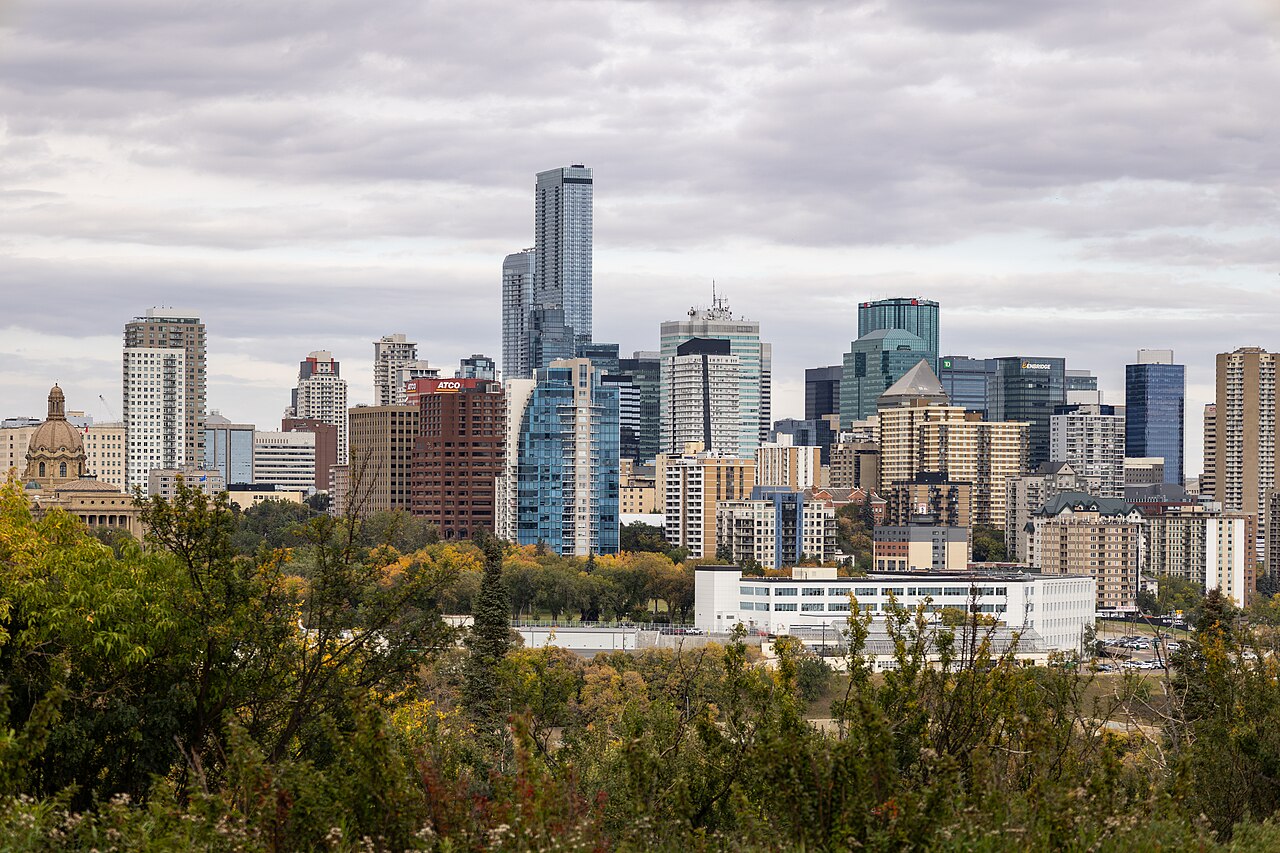
"He would get back to me with an answer to my questions in no time… Very professional and kind." — Aniela Lesyk, Google review
Who pays for the RPR in Alberta?
In most Alberta transactions the seller provides and pays for the RPR and compliance, because the standard contract puts that obligation on the seller. The exact wording in your signed contract is what governs, so read it rather than relying on custom alone.
Buyers should confirm they will receive a current RPR with compliance as part of the deal, and note the deadline for receiving it. For wider context on selling in the current market, see my breakdown of Edmonton's September 2026 market, where homes took an average of 44 days to sell.
How can an RPR problem delay a closing?
If the RPR arrives late, is not compliant, or does not match what the buyer expected, the buyer's lawyer may hold back funds or require an undertaking before releasing the full price. In serious cases, possession can be delayed while the parties sort out who fixes what.
Most of this is avoidable. Pull your RPR before you list and compare it to your yard today. A free home evaluation visit is a good moment to flag RPR questions early.
Selling in Edmonton and not sure if your RPR is current or compliant? Call me at 780-720-8240 before you list and we will check it early, so a survey issue never becomes a closing problem.
By Travis Bannert, Realtor and Mortgage Broker
Travis Bannert, Realtor® | Bridge Realty Group, Maxwell Progressive Realty | 780-720-8240 | bridgerealtygroup.ca
Photo via Wikimedia Commons — Downtown Edmonton.
Photo via Wikimedia Commons — Edmonton skyline from Saskatchewan Drive.

