
Most seniors I meet do not actually want to move — they want the problems of the current house to stop. Sometimes those problems are fixable in place for a few thousand dollars. Sometimes the honest answer is that the house itself is the problem. Here is the comparison I work through with clients, with no thumb on either side of the scale.
What aging in place really costs
Price the actual fixes: a walk-in shower, better lighting, a stairlift or main-floor laundry conversion, plus the services the house needs — snow, lawn, cleaning, and the roof and furnace replacements still ahead of you. Add them honestly over ten years. For a sound bungalow in a neighbourhood you love, staying often wins on cost. For a two-storey with deferred maintenance, the number surprises people.
What moving really costs
Moving has its own list: real estate commissions, legal fees, movers, and the price difference between your home and the next one — which sometimes runs in your favour, releasing equity when a detached home trades down to a villa or condo. My earlier breakdown of downsizing costs in Edmonton covers the line items families forget, like storage and pre-sale repairs.
The questions money cannot answer
Cost is only half the comparison. Can you reach a bathroom at night without stairs? Who checks on you in a January cold snap? Are your doctor, your pharmacy and your people still close? A cheaper option that isolates you is not cheaper in any way that matters. This is also why so many of my clients choose one-level living inside the same neighbourhood instead of across the city.
A decision you can test
You do not have to decide today. Get the home evaluation, price the renovations, and tour two or three realistic next homes. Decisions made from real numbers and real hallways are calmer than decisions made from worry. If staying wins, you have a renovation plan; if moving wins, you have a budget and a shortlist.
"From the first evaluation to possession day, we always knew what was happening next." — Google review excerpt
Frequently Asked Questions
How do I compare the cost of aging in place with the cost of moving? Price the actual fixes — a walk-in shower, better lighting, a stairlift or main-floor laundry conversion, plus the services the house needs — and add them honestly over ten years. For a sound bungalow in a neighbourhood you love, staying often wins on cost.
What does moving cost besides the price of the next home? Real estate commissions, legal fees, movers, and the price difference between your home and the next one. Trading down from a detached home to a villa or condo sometimes runs in your favour, releasing equity.
What matters besides cost when deciding whether to stay or move? Whether you can reach a bathroom at night without stairs, who checks on you in a January cold snap, and whether your doctor, your pharmacy and your people are still close. A cheaper option that isolates you is not cheaper in any way that matters.
How can I test the decision before I commit? Get the home evaluation, price the renovations, and tour two or three realistic next homes. If staying wins, you have a renovation plan; if moving wins, you have a budget and a shortlist.
Start with real numbers for your own home: a free home evaluation based on sold data — not an algorithm's guess — is the first step in most of the plans above.
Thinking about a move like this in Edmonton? Call 780-720-8240 — I will try to call you this week, or reply with a good time and we will set a phone appointment to walk through your options with real listings and real numbers. I am also a licensed Mortgage Broker, so if financing questions come up along the way, I can help you sort those out too.
By Travis Bannert, Realtor and Mortgage Broker
Travis Bannert, Realtor® | Bridge Realty Group, Maxwell Progressive Realty | 780-720-8240 | bridgerealtygroup.ca
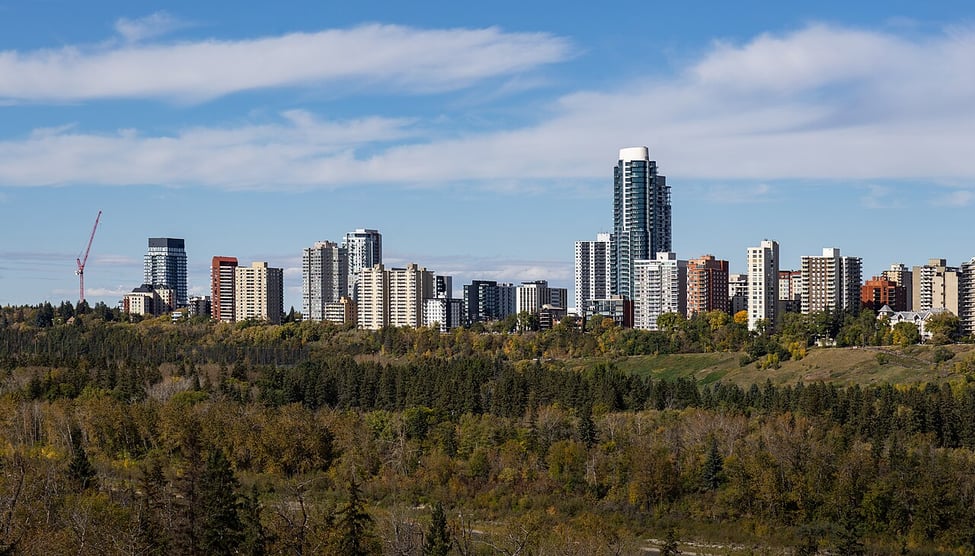
Photo via Wikimedia Commons.