
Alberta tabled Bill 43, the Safe and Sensible Roads Act 2026, on November 19, 2026. Most of the coverage has been about bikes versus cars. If you are buying or selling a home in Edmonton, the useful question is narrower: does this bill change how your street works — how you drive, park, cycle, or get to an LRT station — and should it change what a home on that street is worth? The honest answer today is: not yet, and maybe never in the way the headlines suggest. Here is what the bill actually says, in the province's own words, and how to think about it inside a real purchase or sale.
What Bill 43 proposes — from the primary source
The Government of Alberta's release, Safe and sensible roads, says that if passed, Bill 43 would update the Traffic Safety Act and the Urban Rail Transit Act in four areas that matter to homeowners:
Bike lanes that reduce road capacity. The proposed changes "would establish clear rules for bike lanes that reduce road capacity for motor vehicles and allow for the removal of existing bike lanes that have reduced road capacity for motor vehicles." In plain terms: a new bike lane that takes away vehicle space would need to fit the province's rules, and an existing lane that already took vehicle space could be removed. The release frames the test around traffic flow, commuters, emergency services and the movement of goods.
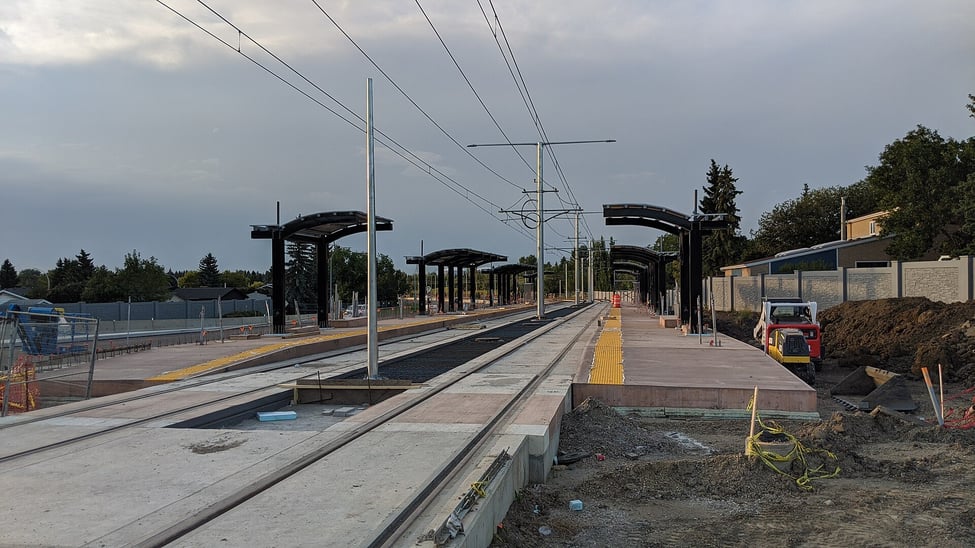
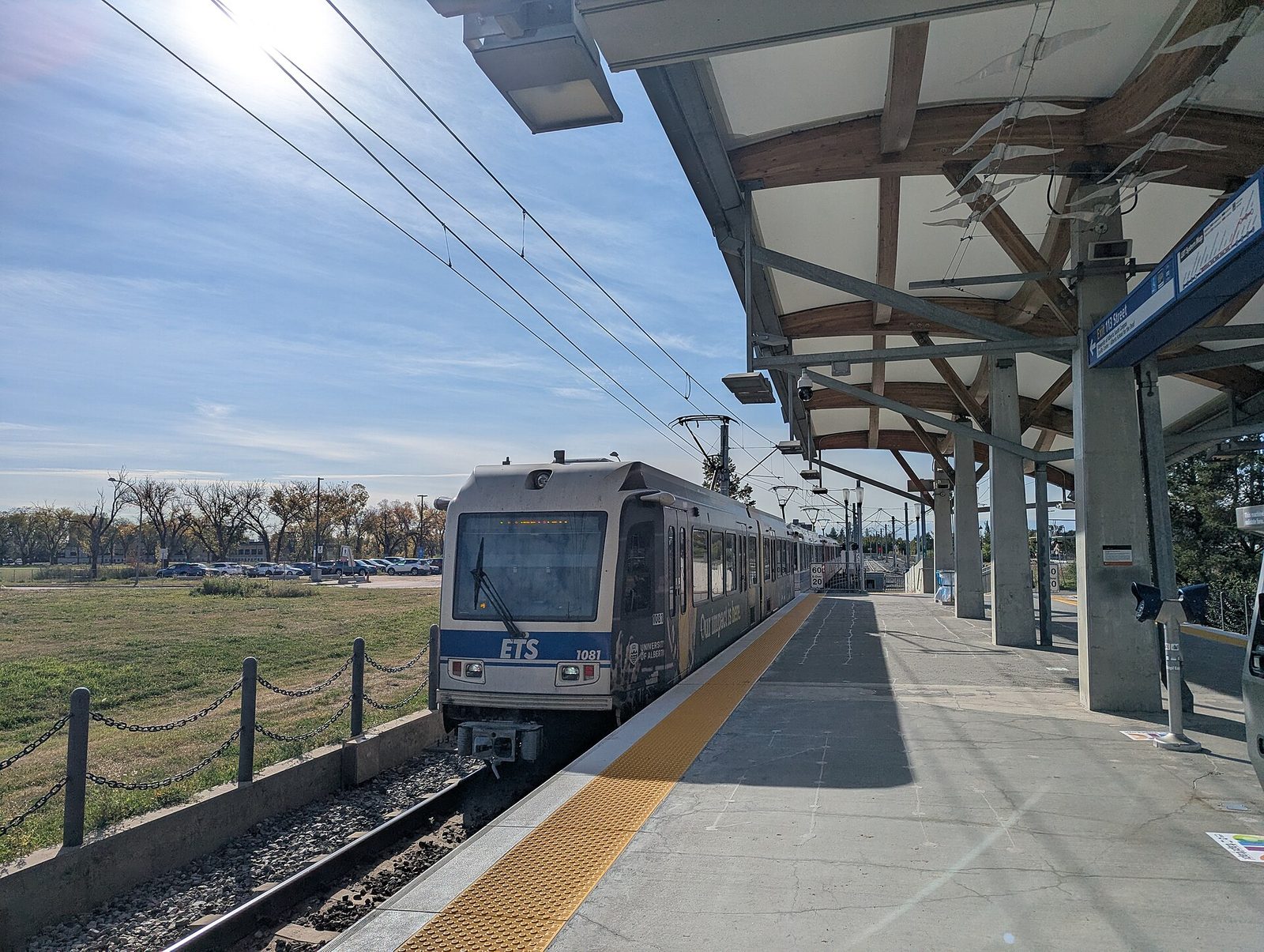
LRT oversight. Amendments to the Urban Rail Transit Act "would expand provincial oversight" of municipal LRT projects — planning, design, project delivery, asset management and passenger-safety infrastructure — and align city LRT development with provincial priorities and Alberta's Passenger Rail Master Plan, "including advancing a high-speed rail connection between downtown Calgary and downtown Edmonton."
E-scooters and micromobility. The province would set a framework and minimum safety standards for privately owned and rented e-scooters, Segways, one-wheels and similar devices, and municipalities could allow them under local rules that meet or exceed those standards. The framework details are promised for early 2027.
Trucking penalties. The maximum fine for major commercial vehicle incidents, such as bridge strikes or repeated safety violations, would rise from $10,000 to $50,000, with possible licence downgrades and public naming of non-compliant carriers and drivers. This is the part of the bill with the least direct effect on a home purchase — it matters most if your commute or your street carries heavy truck traffic.
Two facts from the same release are worth keeping in view. Edmonton Transit ridership reached 62 million in 2024, up 15% from 2023 and 12% above 2019 — transit use in this city is growing, whichever government oversees the next LRT phase. And the legislation, if passed, "would come into effect on April 1, 2027." Nothing in Bill 43 changes any Edmonton street today.
What this does NOT do
It does not remove a single Edmonton bike lane. Removal powers, exemption criteria and who pays are not spelled out in the release — those details would come in regulations and in the province's work with municipalities. A union estimate reported in coverage put potential removal costs at roughly $150 million per city; that is CUPE's estimate, not a government figure, and no removal list exists.
It does not cancel, fund, or re-route any Edmonton LRT project. Expanded oversight is a governance change, not a construction announcement. If you are buying near a planned LRT expansion, the project questions that matter — funding, phasing, construction timing — are unchanged by this bill; our guide to buying near Edmonton LRT expansion walks through how to check them.
And it does not reprice your home. There is no sold data — none — showing Edmonton homes gaining or losing value because a bike lane appeared or disappeared. Anyone who tells you Bill 43 just made your street worth more, or less, is selling you a guess.
How a buyer should actually use this
Judge the street as it is, not as it might become. If a home's appeal depends on the bike lane outside staying forever — or on it being removed — that appeal is speculative either way. Buy the commute, the parking and the street you can verify on possession day.
Check the things Bill 43 cannot change. Off-street parking on the lot, lane access, and walking distance to an existing, operating LRT station are physical facts. Edmonton's market is balanced right now — 1,206 homes sold inside the city in October 2026 at a median of $406,000 and a median 35 days on market, per our Edmonton Housing Market Report — so buyers have time to verify instead of guessing. Register for listings on the streets you are watching and compare what actually sells there: search Edmonton homes.
Ask one direct question on LRT-adjacent homes. "Is this station built, under construction, or planned?" Bill 43 adds a provincial layer over the "planned" category, which is one more reason to pay for built and under-construction transit, and to treat planned transit as a bonus, never as the reason for the price.
How a seller should actually use this
Do not market a maybe. "Bike lane could be removed" and "future LRT oversight" are not listing features. What sells is what a buyer can use on possession day: the parking you have, the station that exists, the street as it photographs today.
If your street is part of the bike-lane debate, say less, accurately. A short, factual line — the street's current configuration, confirmed with the City — beats a paragraph of speculation a buyer's inspector or lawyer will unwind anyway.
Price from sold data, not from headlines. A free Home Evaluation built on what homes like yours actually sold for will tell you more about your price than any provincial bill tabled this fall.
The bottom line
Bill 43 is a tabled bill, not a passed law. If it passes, it takes effect April 1, 2027, and its real effects will arrive through regulations and city-by-city decisions that have not been made yet. For a purchase or sale closing this winter, it changes nothing you can take to the bank — and that is exactly why it should not change your price, your conditions, or your decision.
Thinking through a move on a street where this debate is live? Call Travis Bannert at 780-720-8240. He will walk the street with you — parking, transit, and sold prices included — and tell you what the home is worth in the market that actually exists today.
Travis Bannert, Realtor® | Bridge Realty Group, Maxwell Progressive Realty, 780-720-8240, bridgerealtygroup.ca
Frequently asked questions
Has Bill 43 passed?
No. It was tabled on November 19, 2026. The Government of Alberta release describes what it would do "if passed," with an in-effect date of April 1, 2027.
Will the bike lane on my street be removed?
Nobody can tell you that today. The bill would allow removal of existing lanes that reduced vehicle capacity, but no Edmonton removal list, criteria, or funding decision has been published.
Does Bill 43 affect Edmonton LRT construction?
It expands provincial oversight of municipal LRT planning, design, delivery and asset management. It does not announce, cancel, or re-fund any specific Edmonton project.
Should Bill 43 change what I offer on an Edmonton home?
No. Price from comparable sold homes and the street as it exists today. Treat any future bike-lane or transit change as unpriced speculation in either direction.
"We had an excellent experience working with Travis as both our realtor and mortgage broker… professional, knowledgeable, patient." — Sheri Tian, Google review
See Bridge Realty Group first on Google — add us as a Preferred Source: https://www.google.com/preferences/source?q=bridgerealtygroup.ca

