
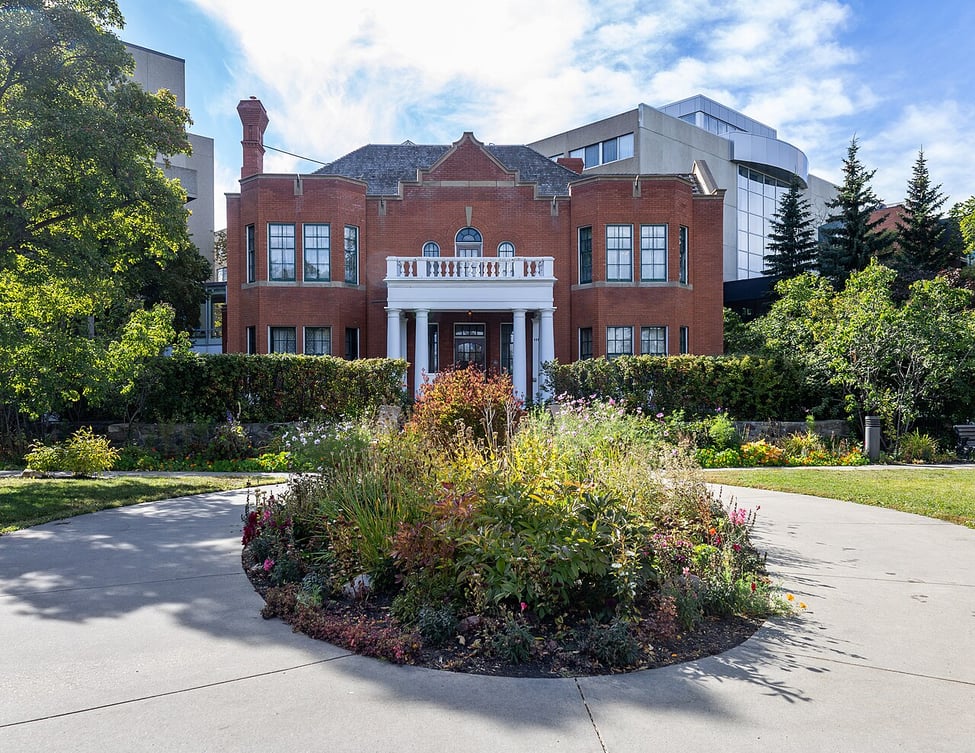
Yes, you can buy a 100-year-old Edmonton home with confidence — if you price the systems, not just the character. Homes built in the 1910s and 1920s in neighbourhoods like Glenora, Highlands, Westmount and Old Strathcona have survived a century of Edmonton winters, but every major system in them has been replaced, patched or is due. Walk the home room by room with this checklist before you offer, and budget for what you find instead of discovering it after possession.
Start in the basement: foundation and structure
The foundation is the one system you cannot cheaply replace. Look for horizontal or stair-step cracks in concrete or stone foundations, bowing walls, and evidence of past water entry — staining, efflorescence (white mineral deposits) and musty odours. Edmonton basements move with freeze-thaw cycles and clay soils; small vertical hairline cracks are common and usually cosmetic, while horizontal cracks and active water entry are the ones that change what a home is worth. Ask when the weeping tile and sump were last serviced, and whether the lot grading still slopes away from the house.
The mechanical room: furnace, water and drains
A century home's furnace is not original — but check its age anyway, along with the hot water tank. Then look at the pipes: galvanized steel water lines corrode from the inside and are a replacement budget item; cast-iron drain stacks crack and leak at joints. If the home still has a clay sewer line to the street, a sewer scope (a camera inspection) is money well spent — tree roots in mature neighbourhoods find those joints. None of these is a reason to walk away; all of them are numbers that belong in your offer price.
The walls and panel: wiring and insulation
Knob-and-tube wiring, common in homes of this era, is the single most common insurance problem in a century home — many insurers will not cover it, or charge heavily until it is replaced. Check the electrical panel size as well: a 60-amp service cannot run a modern home the way a 100- or 200-amp service can. In the attic and walls, ask about insulation: vermiculite insulation in pre-1990 homes can contain asbestos, and it should be tested before it is disturbed, never removed as a DIY job. A licensed home inspector will flag each of these; your job is to make sure the inspection condition in your offer gives you time to price the answers.
The roof, windows and exterior
Ask the age of the shingles and look for sagging along the roof line. Original windows are beautiful and drafty — budget for storm windows, restoration or replacement, and know that in designated heritage contexts exterior changes can need City of Edmonton approval. Check the grading, the eaves and the downspouts: in an old home, most basement water problems start at the roofline and the lot, not in the foundation wall itself.
“We had an excellent experience working with Travis as both our realtor and mortgage broker… professional, knowledgeable, patient.”
— Sheri Tian, Google review
What to do with what you find
Get a full home inspection from a licensed Alberta inspector as a condition of your offer — on a century home this is not optional homework, it is the pricing document. Then sort the findings into three piles: safety and insurance items (wiring, active water) that must be solved to own the home at all; system items (furnace, roof, sewer) with a known remaining life to budget over your first years; and cosmetic items that can wait. Sellers of century homes know their buyers will find these things — a clean, specific, inspection-backed adjustment is a normal negotiation, not an insult.
If you are shopping Edmonton's mature neighbourhoods, register to see new listings the day they hit the market: create a free account on bridgerealtygroup.ca to save searches and get new-listing alerts, and I will call you to talk through which streets and eras fit your budget.
Frequently asked questions
Is it risky to buy a 100-year-old home in Edmonton?
It is manageable risk if you inspect properly. The structure of a well-kept century home has proven itself; the risk lives in the systems — wiring, plumbing, roof, sewer — each of which an inspection can identify and price before you remove conditions.
Can you get insurance on a home with knob-and-tube wiring in Alberta?
Often not at standard rates. Many insurers refuse knob-and-tube wiring or require its replacement within a set period after possession. Confirm insurability with an insurance broker before your conditions expire — an uninsurable home can also stall mortgage funding.
Should I get a sewer scope on an older Edmonton home?
Yes, if the home has its original clay sewer line. Mature trees in Edmonton's older neighbourhoods send roots into clay joints, and a collapsed line is a five-figure repair. A camera scope before you buy turns that unknown into a priced item.
Does Alberta New Home Warranty cover an old home?
No. The 1-2-5-10 warranty applies to new homes built by licensed builders. A resale century home is covered only by what your inspection finds and what your purchase contract says — which is why the inspection condition matters so much on these homes.
Want me to walk you through it? Call 780-720-8240 or register at bridgerealtygroup.ca and I will call you.
By Travis Bannert, Realtor and Mortgage Broker | Bridge Realty Group, Maxwell Progressive Realty | 780-720-8240
See Bridge Realty Group first on Google — add us as a Preferred Source: https://www.google.com/preferences/source?q=bridgerealtygroup.ca