

Price an Edmonton home from recent sold comparables in your own neighbourhood — not from what neighbours are asking — then adjust honestly for condition, size, and finishes, and land just inside the price band buyers are already searching. Priced that way, a home uses its first two weeks, when traffic is highest, to attract competition instead of chasing the market down.
What is an Edmonton home actually worth right now?
Start with context, then narrow to your street. In September 2026, the average sale price in the Greater Edmonton Area was $466,080, up 2.9% year over year, with detached homes averaging $569,820 and apartment condos averaging $208,672 (REALTORS® Association of Edmonton).
Those averages frame the market — they do not price your home. Your price comes from homes like yours, in your area, that have actually sold in the last few months. A free home evaluation built on sold data is the right starting point.
Should you price from asking prices or sold prices?
Sold prices, every time. Asking prices are hopes; sold prices are evidence of what a buyer actually paid and what an appraiser will use to support value.
Choose comparables that match on neighbourhood, property type, age, size, and lot, then adjust. A finished basement, a renovated kitchen, an extra bathroom, or a double garage adds value — deferred maintenance, an old roof, or dated finishes subtracts it. Be honest in both directions, because buyers and their agents are doing the same math.
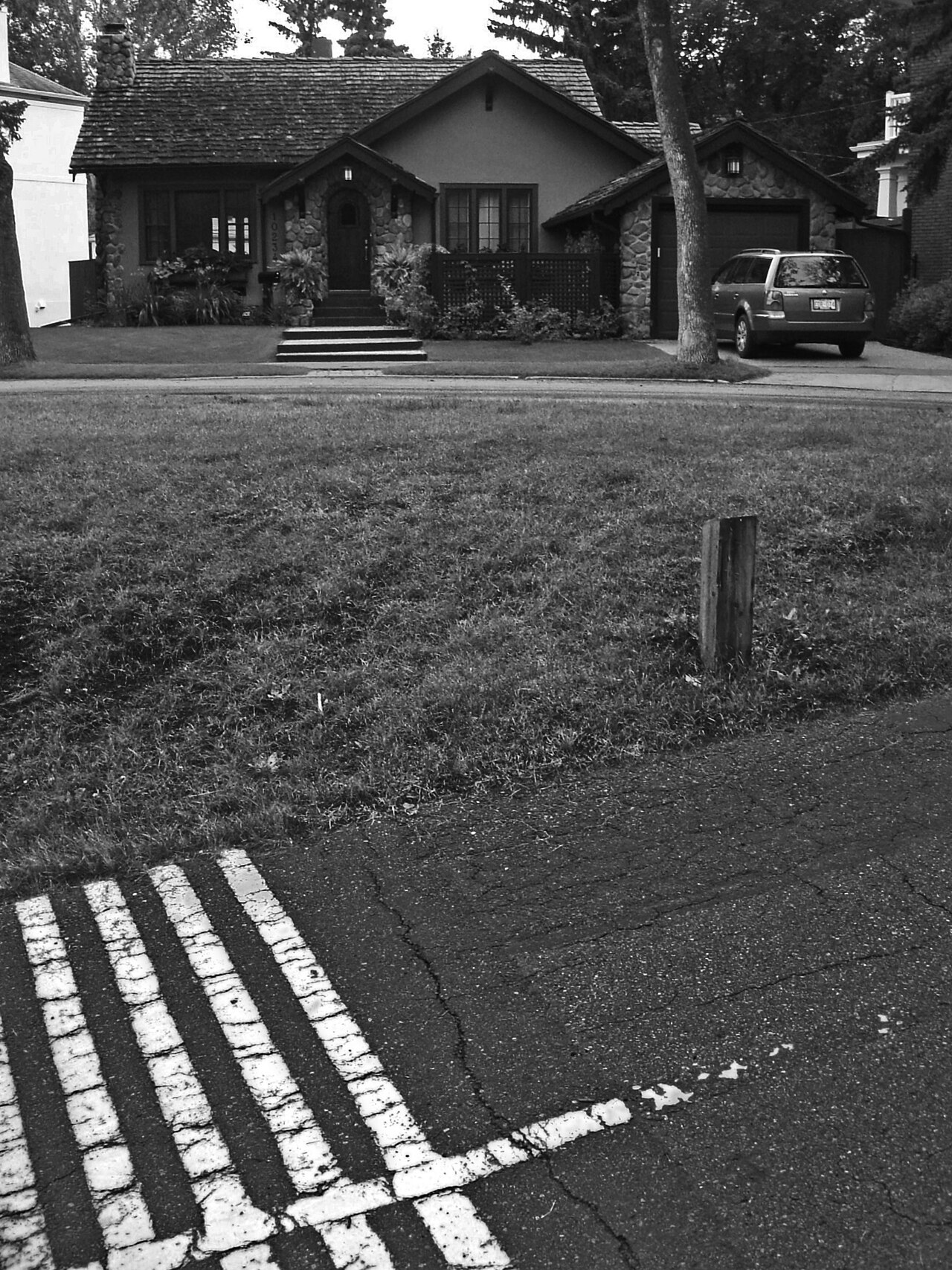 Photo: hobvias sudoneighm, via Wikimedia Commons (CC BY 2.0) — Edmonton family home in Glenora.
Why do the first two weeks matter so much?
The first two weeks are the highest-traffic window for any listing. Every buyer with a saved search for your area and price range sees the home when it is new, and showing activity is strongest before a listing feels familiar.
Homes in Edmonton took an average of 44 days to sell in September 2026, and inventory was 16.7% higher than a year ago — buyers have choices. A well-priced home uses that early attention. An overpriced home spends it, then sits while fresher listings take the showings.
How does buyer psychology affect your list price?
Buyers search in price bands, so thresholds matter. A home listed just above a round number can miss an entire group of buyers whose search tops out just below it, while a home priced just inside that band appears in more searches and more saved alerts.
Days on market carry a signal too. The longer a home sits, the more buyers assume something is wrong or that the seller will accept less — which is why overpricing so often leads to sitting, then a reduction, then low offers that land below where a correct starting price would have sold.
"His negotiation skills secured the best deal, and he made the whole process stress-free. I'm now happily settled in my dream home." — Shahab Ghorbani, Google review
What should you do if showings are slow in week one?
Treat week one and week two as data, not as a verdict on your home. Strong showings with no offers usually point to one fixable objection — price, condition, or presentation — and buyer feedback will name it if you ask for it after every showing.
No showings at all is also data: it usually means buyers are not finding the home in their price band, or the photos and price together are not earning a visit. For wider context on the conditions behind these numbers, see my breakdown of Edmonton's September 2026 market. Adjust once, early, and on evidence — small early corrections work better than large late ones.
Wondering what your Edmonton home would actually sell for in this market? Call me at 780-720-8240 for a sold-data evaluation and a pricing plan built for your neighbourhood — no pressure, just the numbers.
By Travis Bannert, Realtor and Mortgage Broker
Travis Bannert, Realtor® | Bridge Realty Group, Maxwell Progressive Realty | 780-720-8240 | bridgerealtygroup.ca

