
For most Edmonton sellers, a major renovation done purely to sell does not pay for itself. Kitchens, bathrooms, and finished basements are expensive, slow, and chosen to your taste — while buyers pay for them, if at all, at a discount to what they cost. What does pay is pricing your home from real sold data and letting the numbers decide: occasionally a specific renovation in a specific neighbourhood pencils out, and more often the winning move is to clean, repair, and price honestly for the home as it stands.
This is the framework I use with sellers before anyone calls a contractor.
The only test that matters: what will buyers here pay for it?
Renovation shows talk about national “return on investment” percentages. Ignore them. Your home competes against a handful of similar homes on nearby streets, and buyers set your ceiling with their offers, not with a magazine average. The real test has two questions:
- What have comparable homes sold for — with and without the renovation? If renovated homes on your street sell for a certain amount more than original ones, and that gap is smaller than the renovation’s cost plus months of carrying the home, the renovation loses money. Sold data answers this plainly; a home evaluation built on comparables is where to get it.
- Does the renovation remove a deal-breaker, or add a luxury? Fixing what makes buyers walk away is different from adding what makes them smile. A failed furnace, active leaks, or a non-functioning bathroom is a deal-breaker. A waterfall island is a luxury. Deal-breakers deserve money; luxuries usually don’t.
The kitchen question
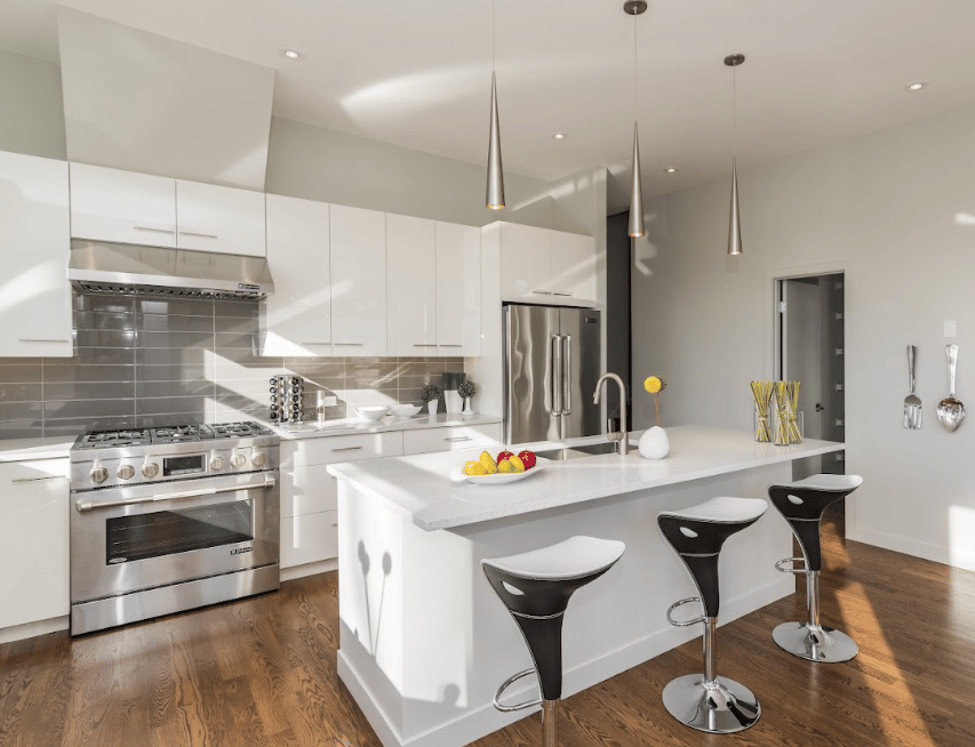
The kitchen is where sellers most want to spend — and where taste does the most damage. A full gut renovation installs your choices at full retail price, then asks a buyer who wanted different choices to reimburse you. In most Edmonton neighbourhoods, a mid-range full kitchen renovation costs more than the value it adds over a clean, functional original kitchen.
The exceptions are narrower than people hope: a kitchen so dated or damaged that it drags the whole home into “project” pricing for every buyer, in an area where finished homes command a clear premium. Even then, the disciplined version is repair, deep clean, working appliances, and honest pricing — letting the buyer renovate with their own money and taste, often financing it as part of their purchase plans.
The bathroom question
Bathrooms follow the same math with one addition: a home short a functioning bathroom is different from a home with an ugly one. If your listing will show one tired but working bathroom, buyers discount modestly. If a bathroom is gutted, leaking, or non-functional, you are not selling a home with a flaw — you are selling a project, and project buyers bid accordingly. Repairing a bathroom back to clean and functional can be worth it; upgrading a working bathroom to spa standard, for resale alone, almost never is.
The finished basement question
Basements tempt sellers because the space feels like free square footage. Two realities govern the return. First, buyers pay notably less per square foot for below-grade space than for the floors above it — a finished basement adds value, but at basement rates, not house rates. Second, permits and egress matter: a bedroom without a legal egress window isn’t a bedroom buyers’ lawyers and insurers will treat as one, and unpermitted work can become a negotiation problem instead of a selling feature. If your basement is unfinished, the cost of finishing it properly — permits, egress, electrical, plumbing — for a stranger’s preferences is rarely recovered at sale. If it is finished but tired, cleanliness and lighting beat renovation.
The costs nobody counts
Even a “profitable on paper” renovation carries costs sellers forget: months of mortgage payments, taxes, insurance, and utilities while the home is a construction site; the risk that the project uncovers a second project (it usually does in older homes); and the market time you lose — listing in a later season, to a different buyer pool, because the work ran long. Add those honestly and many break-even renovations turn negative.
When renovating before selling does make sense
- The home has a genuine deal-breaker — water damage, failed systems, a non-functional kitchen or bath — that pushes every buyer into project pricing.
- The neighbourhood clearly rewards finished homes, proven by sold comparables showing a gap bigger than your all-in cost.
- You will enjoy the renovation yourself for a year or more before selling, so part of the “return” is your own use.
- A partial project is already started: an unfinished renovation is worth completing to a clean stopping point, because buyers price open-ended work harshly.
If none of those is you, the better plan is the unglamorous one: fix what’s broken, clean like you mean it, price from sold data, and let buyers spend their renovation money on their own taste.
Before you spend a dollar, let me show you the comparable sales for your street — with and without renovations like yours — so the decision is arithmetic, not a guess. Start with a free home evaluation or call me at 780-720-8240.
Common questions
Q: Which renovation has the best resale return in Edmonton?
A: Generally, the smaller and more functional the project, the better the return — repairs, maintenance catch-up, and cosmetic refreshes outperform full remodels. Among major projects there is no universal winner; it depends entirely on what renovated comparables on your street have sold for, which is a sold-data question, not a national-average question.
Q: Will a new kitchen let me list at a higher price?
A: You can list at any price; the question is whether buyers will pay it. If renovated homes nearby have sold for enough more than original ones to cover your cost and carrying time, possibly. If not, the higher list price mostly buys you days on market and eventual reductions.
Q: Should I finish my basement before selling?
A: Usually no, if the only reason is resale. Finished basements add value at below-grade rates, and a proper job needs permits and egress to count fully. An unfinished basement in a well-priced home is a feature to some buyers — they get to finish it their way.
Q: What if my home needs a major repair, like a roof or furnace?
A: Get real quotes, then choose deliberately: repair it, or price with the quotes on the table so buyers can decide with facts. What doesn’t work is hoping buyers won’t notice — inspectors always find it, and mid-deal discoveries cost more than upfront honesty.
Q: How long do pre-sale renovations usually delay a listing?
A: Longer than the contractor’s estimate — permits, material delays, and the inevitable surprise inside the walls of an older home all add time, and you carry the home’s costs throughout. That delay belongs in the math before you commit.
Q: Can buyers finance renovations into their purchase instead?
A: There are purchase-plus-improvement options that let buyers roll planned renovation costs into their purchase, which is one more reason sellers don’t need to renovate for them. I am also a licensed Mortgage Broker with BFL Dominion Lending Centres, so I can explain how that changes what buyers can offer on a home like yours.
By Travis Bannert, Realtor® | Bridge Realty Group, Maxwell Progressive Realty — Seniors Real Estate Specialist® (SRES®). Buying or selling in Edmonton? Call 780-720-8240.
See Bridge Realty Group first on Google — add us as a Preferred Source: https://www.google.com/preferences/source?q=bridgerealtygroup.ca