
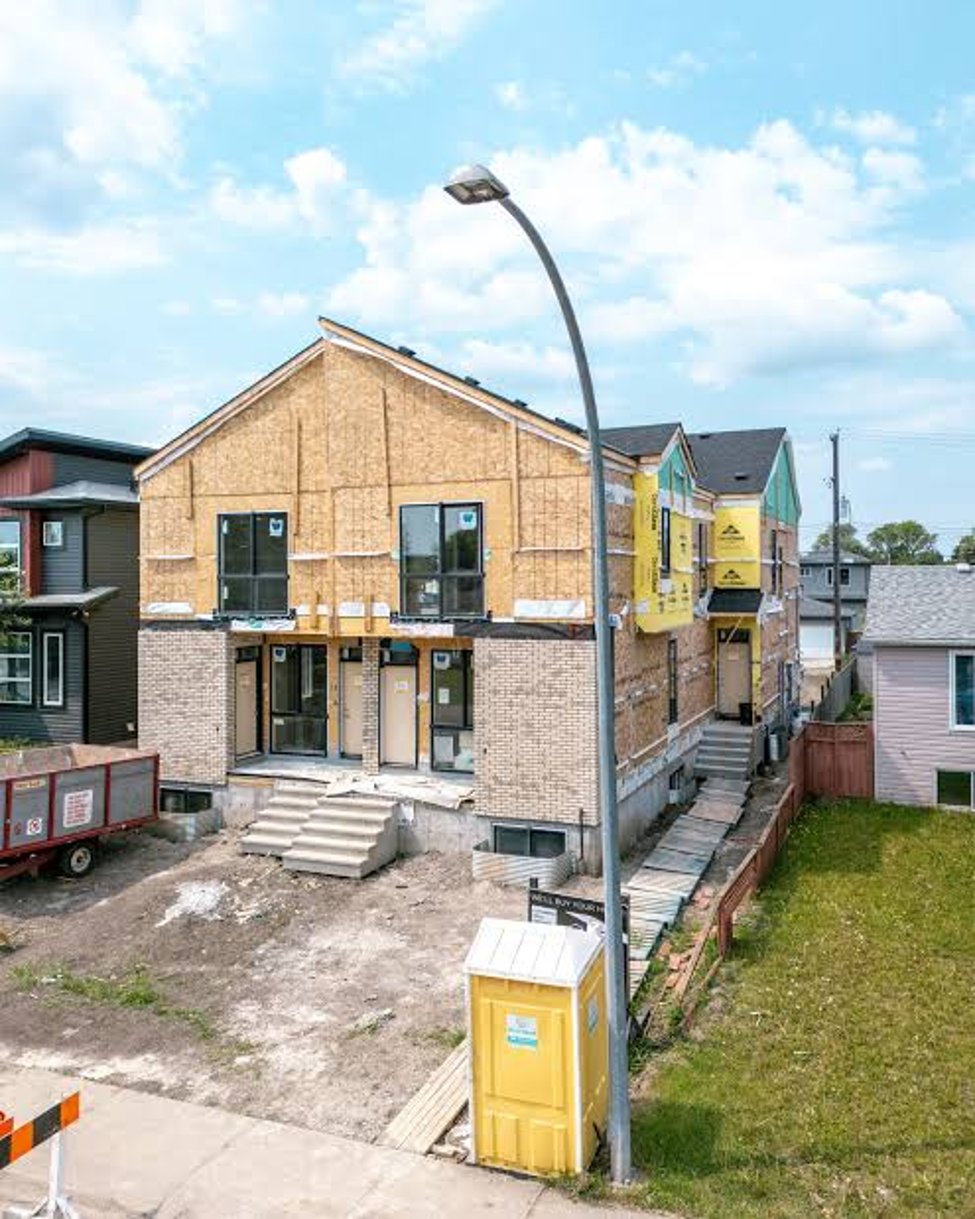
A legal suite is one of the few features that can genuinely widen your buyer pool — owner-occupiers who want a mortgage helper, multi-generational families, and investors all shop for suited homes — but only if the suite is documented, priced, and marketed as the income asset it is. An undocumented or vaguely described suite does the opposite: it raises questions about permits and safety that discount your price. The difference between those two outcomes is preparation, and it's almost entirely within the seller's control.
I'm Travis Bannert, an Edmonton Realtor® with Bridge Realty Group, Maxwell Progressive Realty — and also a licensed mortgage broker with BFL Dominion Lending Centres and a landlord myself. Suited homes sit at the intersection of all three roles, so let's walk through how to sell one properly.
First: prove the suite is legal
"Legal suite" is a specific claim in Edmonton. It means the secondary suite was built with the required permits and meets the applicable building and safety requirements — things like proper egress windows, ceiling height, separate heating considerations, smoke and carbon monoxide alarms, and protected exits. Buyers, their lenders, and their insurers all care about the distinction between:
- A permitted, legal suite — paperwork exists and can be shown to buyers.
- An older suite that predates current rules — sometimes treated differently; documentation of its status matters even more.
- A non-conforming or unpermitted suite — a real risk factor that must be disclosed and priced honestly, not marketed as legal.
Before you list, gather everything: permits, city correspondence, any inspection or compliance documents, and your lease history if the suite is or was tenanted. If you're unsure of the suite's status, find out before a buyer's lawyer does. How you describe the suite in the listing must match what the documents support — "legal suite" is a representation, not a marketing flourish.
What a legal suite is worth
A suited home's value comes from two directions at once: what the home is worth as a home (comparable sold data for your street and neighbourhood), and what the suite's income contributes for the buyers who price income. In practice:
- For owner-occupiers, the suite is a mortgage helper — rental income that can, depending on the lender and the file, support qualification and offset monthly costs. That widens your pool of buyers who can stretch to your price.
- For investors, the suite is yield — they will price from rent and expenses, and they will compare your home against every other suited property on the market.
- For multi-generational buyers, the suite is the floor plan itself — a parent or adult child living independently under the same roof — and condition and privacy features matter more than rent math.
The honest way to set your expectation is from sold data on comparable suited homes, not from adding a guessed premium to a non-suited price. Suited homes are not flagged as a separate category in MLS sold data, so any agent who quotes you a standard "suite premium" percentage is guessing — the premium on your home is whatever the suited comparables on your street actually support. Start with your home's baseline value: Free Home Evaluation (https://bridgerealtygroup.ca/home-evaluation) — then price the suite's contribution from what suited comparables actually sold for.
How lenders and buyers look at your suite
Because I work the mortgage side as well, I see the questions buyers' lenders ask about suited homes — and sellers should be ready for all of them:
- Is the suite legal and documented? Lenders and insurers are more comfortable — and sometimes only comfortable — with a permitted suite. Paperwork ready at listing stage removes the biggest friction in the deal.
- Is the suite tenanted? A tenanted suite means the Residential Tenancies Act governs possession, showings, and notice. A buyer who wants the suite vacant needs the timelines respected; an investor buyer may prefer the tenant stays. Your marketing should speak clearly to whichever buyer you're targeting.
- What does the suite actually earn? If it's rented, be prepared to document the lease and rent. If it's vacant, present a realistic picture of market rent for the area without guaranteeing figures — buyers will do their own math, and credibility sells.
Marketing a suited home so the suite sells the house
- Lead with the suite in the listing story. Photograph it properly — bright, clean, its own entrance shown. Many listings bury the suite in one dark photo; yours should read as a second home, because to your buyer pool, it is.
- Present the numbers cleanly. A simple, honest summary — suite features, parking, laundry arrangement, separate entrance, tenancy status — answers the first ten questions before they're asked.
- Target all three audiences. Your listing should be findable and legible to mortgage-helper buyers, multi-generational families, and investors at once. Each reads the same listing for different reasons; give each of them their paragraph.
- Price for the pool you've created. Suited homes in Edmonton trade in a balanced overall market — the REALTORS® Association of Edmonton reported 1,882 sales and 7,533 active listings in the Greater Edmonton Area for October 2026, roughly four months of supply. A documented, well-presented suite earns its premium from competition inside that wider pool — but the premium still has to be anchored to suited comparables, not enthusiasm.
If your suite isn't legal
Sell it honestly. A home with a non-conforming suite is still saleable — to the right buyer, at the right price, with full disclosure of what's known about its status. What destroys deals is a buyer discovering mid-condition-period that the "legal suite" in the listing isn't. Disclosure up front prices the issue into the offer; discovery later prices it into a collapsed deal or a renegotiation you're not positioned to win.
Common questions
Does a legal suite increase my home's value?
Generally yes — it widens the buyer pool to mortgage-helper buyers, multi-generational families, and investors, and documented legal suites support stronger pricing than undocumented ones. The size of the premium comes from comparable suited sales, which is why a data-based evaluation matters.
What makes a suite "legal" in Edmonton?
A suite built with the required permits and meeting the applicable safety and building requirements — egress, ceiling height, alarms, and protected exits among them. If you can't document it, don't market it as legal; establish its status first.
Should I sell with the tenant in place or wait for the suite to be vacant?
It depends on your target buyer. Investors often prefer a tenanted suite with a documented lease; owner-occupiers may want it vacant, which requires following the Residential Tenancies Act notice rules. Decide the buyer you're aiming at, then set the tenancy plan to match.
Will a buyer's lender accept rental income from my suite?
Lenders treat suite income differently by file and by the suite's legal status; documented legal suites are far easier for a lender and insurer to accept. Expect the question and have the paperwork ready.
My suite was built years ago without permits. Can I still sell?
Yes — with honest disclosure and pricing that reflects its status. Homes with non-conforming suites sell every year; deals collapse when the status is misrepresented, not when it's disclosed.
How long will a suited home take to sell?
Edmonton's overall market was balanced in October 2026 (RAE: 1,882 sales and 7,533 active listings, roughly four months of supply). A documented, well-marketed suite can compete strongly in that market because its buyer pool is wider than a comparable non-suited home's.
Selling a home with a suite — legal, tenanted, or somewhere in between? Get the baseline right with a free home evaluation (https://bridgerealtygroup.ca/home-evaluation), then call Travis Bannert at 780-720-8240. We'll document the suite, price it from suited comparables, and market it to all three audiences at once.
By Travis Bannert, Realtor and Mortgage Broker | Bridge Realty Group, Maxwell Progressive Realty | 780-720-8240
See Bridge Realty Group first on Google — add us as a Preferred Source: https://www.google.com/preferences/source?q=bridgerealtygroup.ca

